
What Happens After You Sign a Bail Bond in San Bernardino County?
Learn what happens after signing a San Bernardino County bail bond, from bond submission and jail acceptance to release and court obligations.
What Happens After You Sign a Bail Bond in San Bernardino County?
Signing a bail bond starts the release process, but it does not always mean the person leaves jail immediately. After the agreement is completed, the bail agent submits the bond to the appropriate San Bernardino County facility for review and acceptance. The jail then checks the bond against the booking, charges, and any other release conditions.
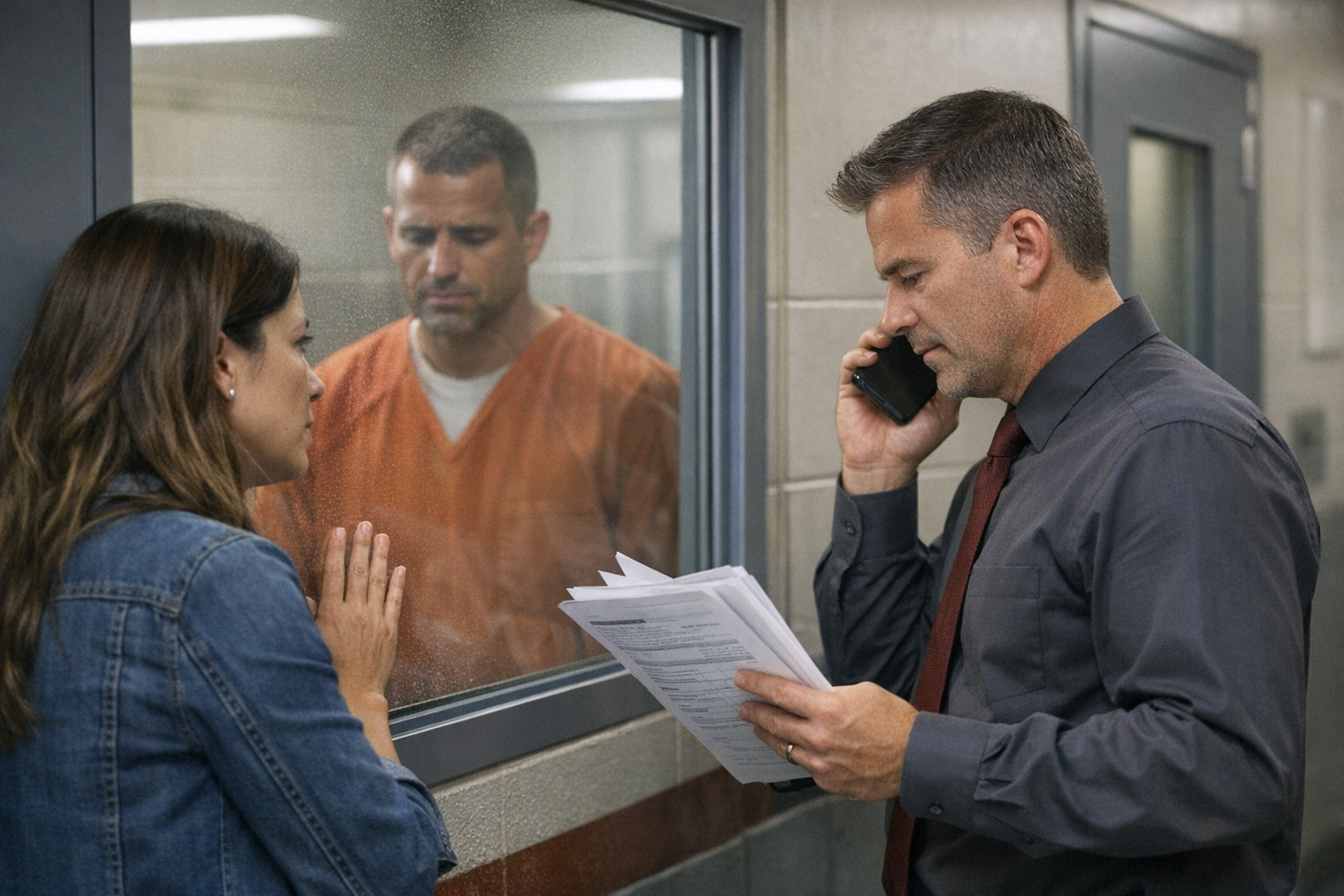
The next steps may include bond acceptance, booking verification, release processing, and instructions about the upcoming court case. The exact timeline depends on the facility and the circumstances of the arrest. San Bernardino County does not publish one guaranteed release time for every surety bond, so the most useful approach is to understand who controls each step and what to ask when you need an update.
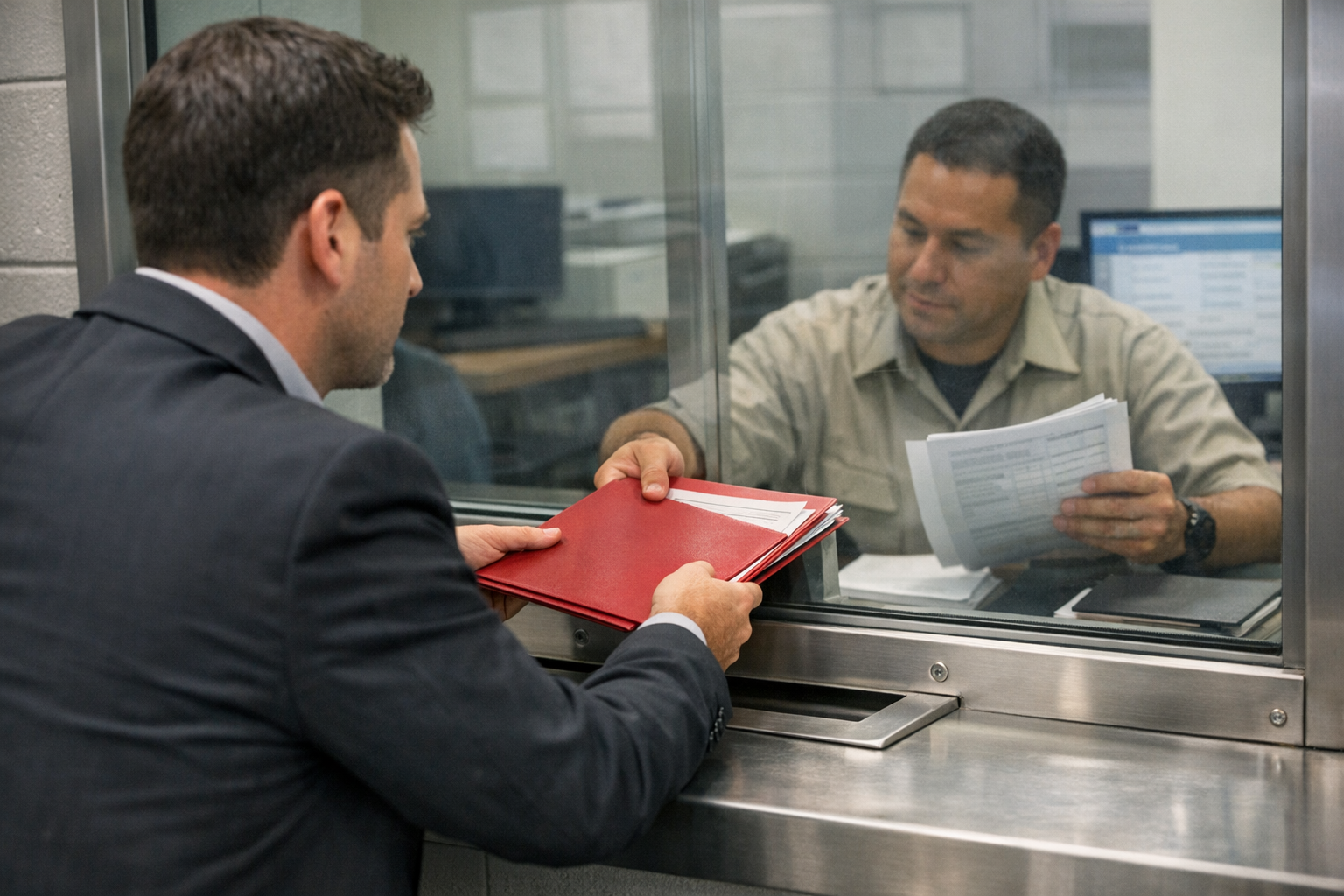
What the Bail Agent and Jail Do After You Sign
The signed agreement gives the bail bond company the information it needs to prepare the bond. The agent may review the defendant’s booking information, bail amount, charges, and required paperwork before submitting the surety bond. If information is missing or does not match the jail record, the agent may need to correct it before the facility can accept the bond.
The agent’s role and the jail’s role are different. The agent prepares and submits the bond, while the Sheriff or detention facility decides whether the submission is acceptable for the booking. Families can make the process easier by keeping copies of the signed agreement and asking which step is currently pending instead of assuming that submission and acceptance mean the same thing.
The Bond Is Submitted for Acceptance
After the paperwork is signed, the bail agent submits the bond for the applicable booking and charges. San Bernardino County’s official information explains that a bail bond must be received and accepted by the Sheriff. A bond may not complete the release requirement if bail is listed for more than one charge and an acceptable form of bail has not been posted for each applicable charge.
This is a good time to ask the agent whether the bond has been submitted, whether the facility has accepted it, and whether the jail has requested anything else. Those are specific status questions. They are more useful than asking for a guaranteed release time because the facility controls the review and release process.
The Jail Checks the Booking and Release Conditions
The facility checks the bond against the person’s booking record and the charges shown in the system. The Sheriff states that posting bail does not guarantee release. A no-bail charge, sentenced charge, another hold, court-related condition, or other restriction may prevent release even when a bond has been signed and submitted.
The arrest city does not always identify the current facility. San Bernardino County uses multiple detention facilities, and booking procedures can vary by arresting agency. If the location is unclear, first confirm it through the County of San Bernardino Inmate Locator or the Sheriff’s current bail-information channel. Trinity Bail Bonds’ guide on how to find where someone is being held in San Bernardino County can help you organize that check before requesting a status update.
Release Processing Happens After Acceptance
Once the facility accepts the required bail, staff still have to complete release processing. That can include confirming identity, updating the booking record, checking for other holds, and completing facility-specific release steps. A person may remain in custody while those tasks are being completed, even though the bond itself has been accepted.
San Bernardino County’s published information does not promise one universal release time for a surety bond. The Sheriff’s guidance notes that timing can vary because of warrants, court orders, medical or mental-health conditions, and other circumstances. For a hypothetical example, a bond might be accepted while a separate court hold is still being reviewed. The family should ask which condition remains open rather than assuming the bond failed.
What to Expect Once the Person Is Released
Release from custody is not the end of the case or the bond agreement. The person may have a court date, release conditions, and responsibilities connected to the bond. The signer or co-signer should keep the agreement, understand the payment terms, and make sure important notices can reach both the defendant and the responsible parties.
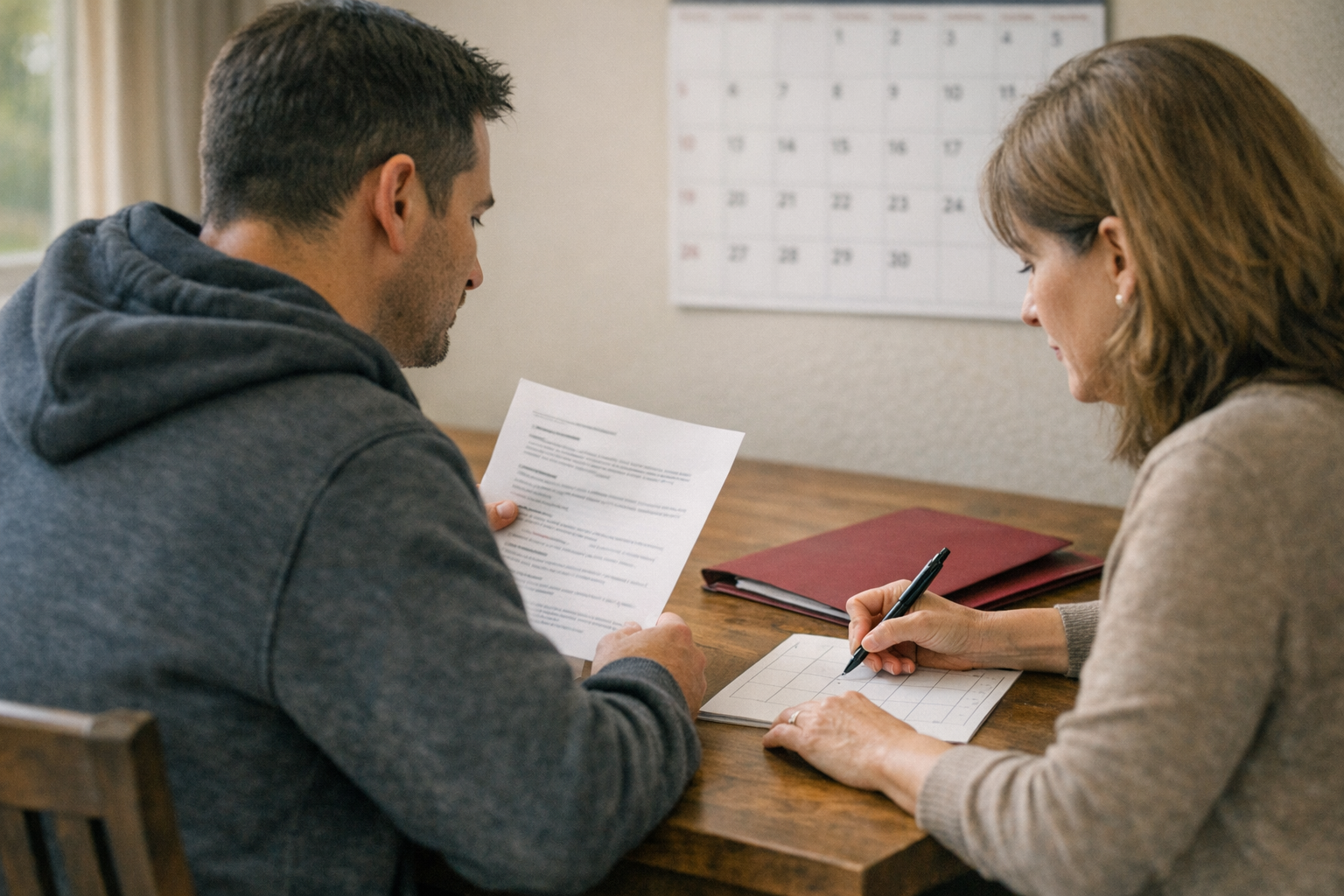
If you are unsure what the signed agreement requires, ask the bail agent to explain the written terms in plain language. For questions about criminal charges, warrants, probation, protective orders, or court strategy, speak with a defense attorney. A bail agent can explain the bond process but does not replace legal advice.
Confirm the Release and Next Instructions
When the person is released, confirm that they understand where and when they must appear in court. Do not rely only on a verbal assumption that the case is finished. The Superior Court’s bail schedule explains that a pre-arraignment bail amount is not binding on the judge at arraignment. The court may reconsider bail or custody status at that hearing.
A practical next step is to write down the court information provided by the defendant or an official court source and keep it with the bond paperwork. If the person was released with conditions or additional instructions, those details should be followed carefully. If anything is unclear, a lawyer or the court’s official information service is the right place to seek clarification.
Understand the Signer’s Ongoing Responsibility
Signing a bond is more than helping with an initial payment. The agreement may create responsibilities for the signer if the defendant does not meet the bond’s requirements. The exact contract terms, payment rules, collateral requirements, and surrender procedures must come from the written agreement and the bail agency; they should not be guessed from a general online explanation.
If you are comparing payment options or reviewing the financial side before signing, read Trinity’s guide to bail bond costs in San Bernardino County. It explains the difference between the court-set bail amount and the bail bond premium, along with questions to ask about the total amount due and payment terms. Request a complete explanation before signing anything, and keep a copy afterward.
Know What to Do if the Process Stalls
If there is no release update, ask the bail agent whether the bond was submitted and accepted, then ask the facility or the responsible official channel what remains incomplete. Useful questions include whether booking is complete, whether bail appears for every listed charge, and whether another agency or court has placed a hold. Avoid sending additional money to an unverified caller who claims the release requires an urgent payment.
San Bernardino County policy allows an arrestee who says bail is being posted to remain in a Hold for Bail cell for an authorized period while the bond is awaited. The policy allows up to two hours without supervisor approval, with a supervisor able to authorize up to two additional hours. This is not a promised release period; it describes one custody procedure while the facility waits for a bond. If circumstances change, ask for a current status rather than relying on an earlier estimate.
Trinity Bail Bonds can help families understand which information to gather and which part of the process is being handled by the agent, the jail, or the court. When you reach out, provide accurate booking details if available and ask for a clear explanation of the next confirmed step. That practical update is more reliable than a promise that every San Bernardino County release will happen on the same schedule.
San Bernardino County Bail Bond After-Signing FAQ
Does signing a bail bond guarantee immediate release?
No. The bond must be submitted and accepted, and the facility must complete its release process. A no-bail charge, another hold, court condition, medical or mental-health condition, or other issue may still prevent immediate release.
How can I tell whether the bail bond was accepted?
Ask the bail agent whether the bond was submitted and accepted by the applicable San Bernardino County facility. You can also ask what specific step remains open, such as a booking correction, another charge, or a separate hold.
How long does release take after a bond is accepted?
There is no single guaranteed release time for every San Bernardino County surety bond. Timing can vary by facility and by warrants, court orders, medical or mental-health conditions, and other circumstances. Ask for the current status instead of relying on a fixed estimate.
What if the person is still in a Hold for Bail cell?
San Bernardino County policy describes an authorized period for waiting on a bond, including up to two hours without supervisor approval and up to two additional hours with supervisor approval. This is not a release promise. Ask the agent or facility whether the bond was received and what is delaying the next step.
Does the bond end the criminal case?
No. A bond addresses the financial release requirement, but the criminal case continues. The person must follow court instructions and appear as required. Because pre-arraignment bail is not binding on the arraignment judge, the court may later reconsider bail or custody status.